
Rodents (Rats & Mice)
Rodents: A Serious Threat to Your Health and Home
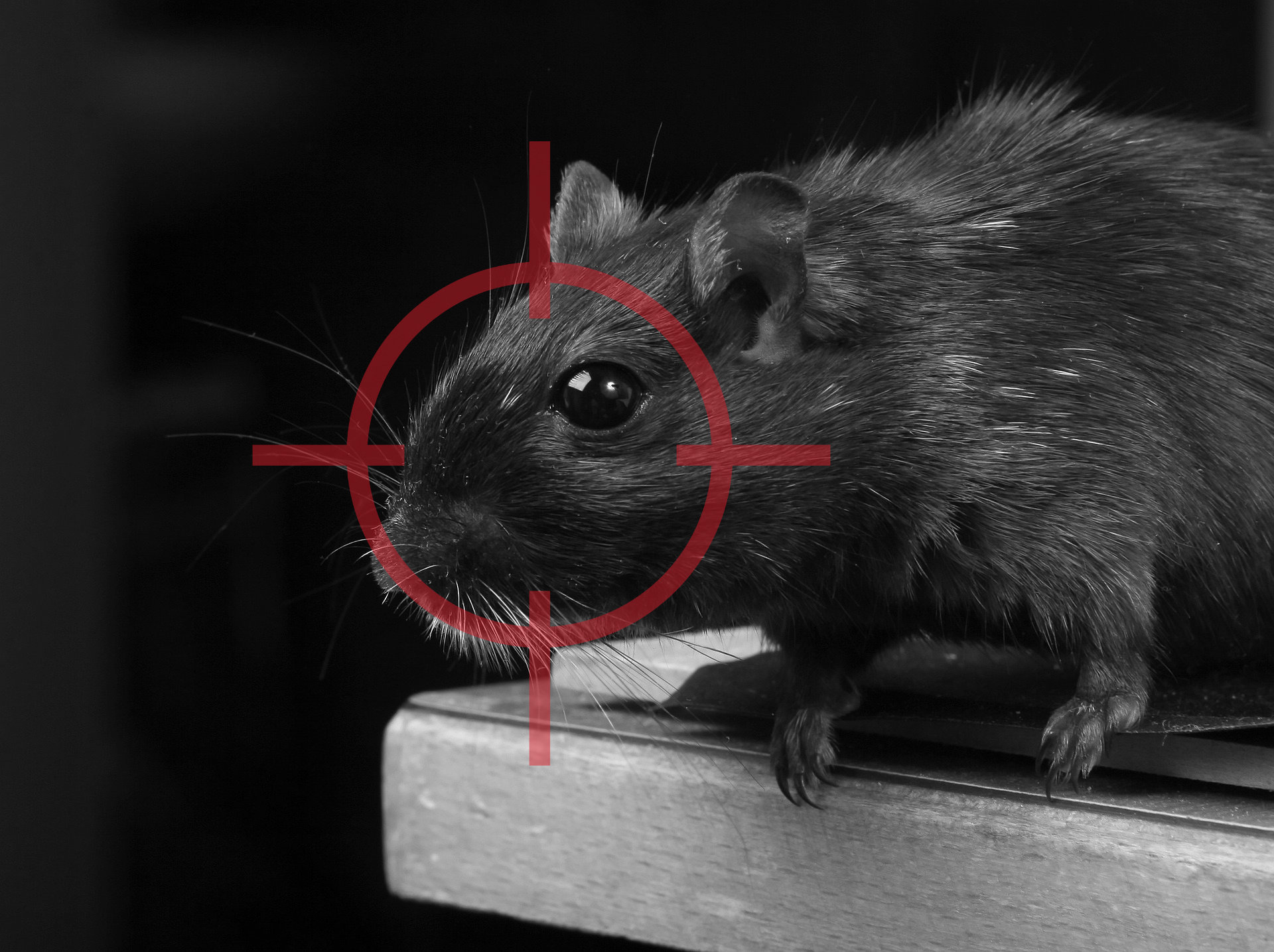
Rodents are more than just unwelcome houseguests; they pose significant risks to your health and property. These disease-carrying pests can contaminate food, damage your home's structure, and even cause fires.
The Dangers of Rodents
- Disease Transmission: Rodents can spread a variety of serious diseases, including Hantavirus, Leptospirosis, and Salmonella.
- Property Damage: Rats and mice can gnaw through insulation, walls, floor joists, and electrical wiring, leading to costly repairs and potential fire hazards.
- Structural Damage: Burrowing rodents can undermine foundations, retaining walls, and hillsides, compromising structural integrity.
Comprehensive Rodent Control Solutions
Rodents are experts at hiding and often establish themselves before you even notice their presence. Our comprehensive approach to rodent control includes:
- Thorough Inspection: We identify rodent entry points, nesting sites, and the extent of the infestation.
- Integrated Pest Management (IPM): We utilise a combination of strategies, including sanitation and hygiene recommendations, trapping, exclusion (proofing entry points), and baiting.
- Targeted Treatments: We select the most effective methods based on the specific rodent species and the environment.
Understanding Rodent Behaviour
Rodents are driven by the need for food and shelter. They breed rapidly, with a single pair potentially producing hundreds of offspring in a year. Common nesting sites include wall cavities, roof voids, underfloor areas, and burrows.
Don't Wait, Act Now!
Protect your home and family from the dangers of rodents. Contact us today for a free quote and let our experienced technicians provide a customised solution to your rodent problem: (02) 4968 9810
Your Questions Answered
What are the signs of a rodent infestation?
Droppings: Rodent droppings are a key indicator. Mouse droppings are small and pointed, while rat droppings are larger and blunt.
Gnaw marks: Rodents constantly gnaw to keep their teeth trimmed. Look for damage on food packaging, wood, and electrical wiring.
Nesting materials: Shredded paper, fabric, and other soft materials may indicate a rodent nest.
Tracks: In dusty areas, you might see footprints or tail trails.
Noises: Scratching, scurrying, or gnawing sounds, especially at night, can suggest rodent activity.
Urine smell: A musty, ammonia-like odor can signify a rodent presence.
What are the health risks associated with rodents?
Disease transmission: Rodents carry diseases like salmonellosis, leptospirosis, and hantavirus, spread through their urine, droppings, and saliva.
Food contamination: Rodents contaminate food with bacteria, leading to potential food poisoning.
Allergies and asthma: Rodent droppings and shed fur can trigger allergies and asthma attacks.
What are the most common types of rodents in the Hunter Region?
House Mouse (Mus musculus): Small, adaptable, and can reproduce quickly.
Norway Rat (Rattus norvegicus): Large, brown rats that prefer ground level and burrows.
Roof Rat (Rattus rattus): Agile climbers, often found in roofs and trees.
How can I prevent a rodent infestation?
Seal entry points: Close gaps and cracks in walls, windows, and doors.
Maintain cleanliness: Keep your home tidy, especially the kitchen, and promptly clean up spills.
Store food properly: Use airtight containers for food storage.
Manage garbage: Use bins with secure lids and empty them regularly.
Landscaping: Trim vegetation around your house and remove potential nesting sites.
What methods are used for rodent control?
Baiting: Rodenticides are strategically placed to attract and kill rodents.
Trapping: Snap traps, glue traps, or live traps are used to capture rodents. Exclusion: Sealing entry points to prevent rodents from entering.
Monitoring: Regular inspections to detect and address any recurring issues.
Are pest control treatments safe for my family and pets?
We prioritise safety. We use approved products and follow safety guidelines to minimise risks to humans and animals.
How much does rodent control cost?
The cost varies depending on the severity of the infestation, the size of the property, and the treatment methods used. Typically pricing starts at $132.00.
How long does it take to get rid of a rodent infestation?
The time frame depends on the extent of the problem and the chosen treatment strategy. It may take several weeks or months to achieve complete eradication.
Can I try DIY rodent control methods?
While some DIY methods may offer temporary relief, professional pest control is often necessary for effective and long-lasting results, especially for larger infestations.
What should I do if I find a dead rodent in my home?
Wear gloves and avoid direct contact. Carefully remove the rodent and dispose of it in a sealed bag. Clean and disinfect the area to prevent disease spread.